Painter · Los Angeles · Abstract Illusionism
Michael
Gallagher
Pralaya, 1980 · acrylic / polymer · 60 × 72 in.
Permanent collection, Solomon R. Guggenheim Museum, New York
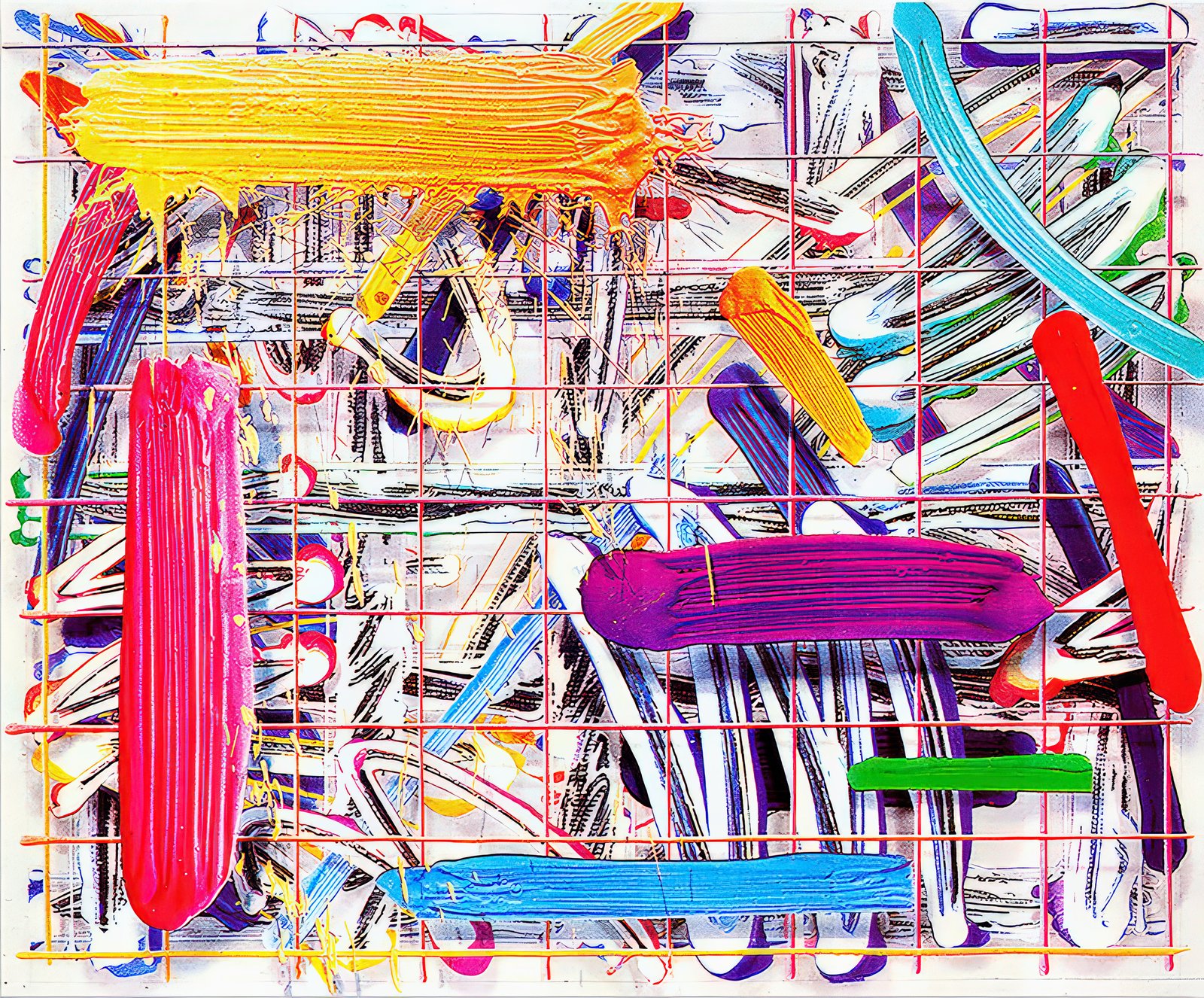
Painter · Los Angeles · Abstract Illusionism
Pralaya, 1980 · acrylic / polymer · 60 × 72 in.
Permanent collection, Solomon R. Guggenheim Museum, New York
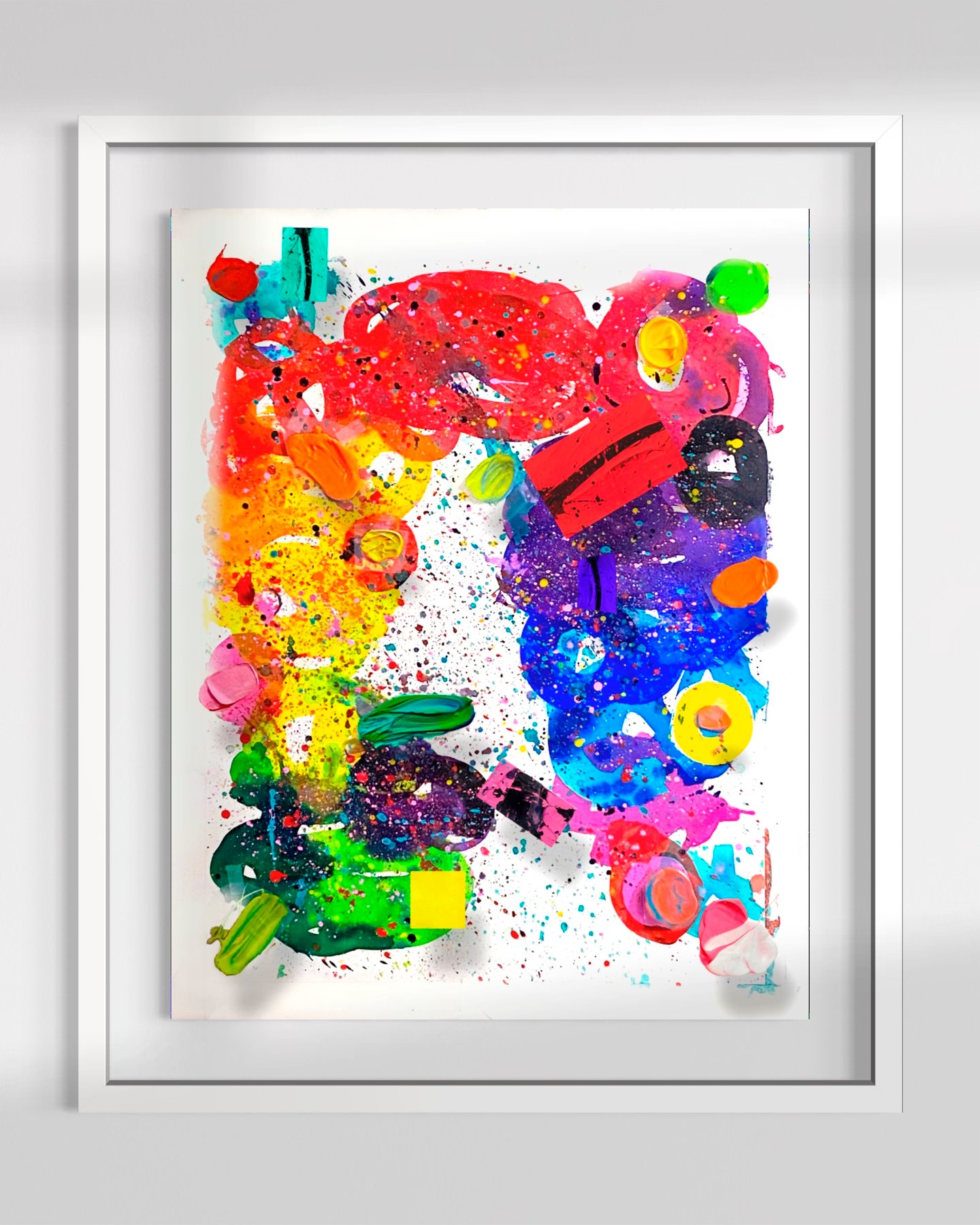
Featured original · 2026
Acrylic on Arches paper
40 × 30 inches · Unique original
Artwork dimensions, excluding frame.
View the painting & inquire ↗Selected works
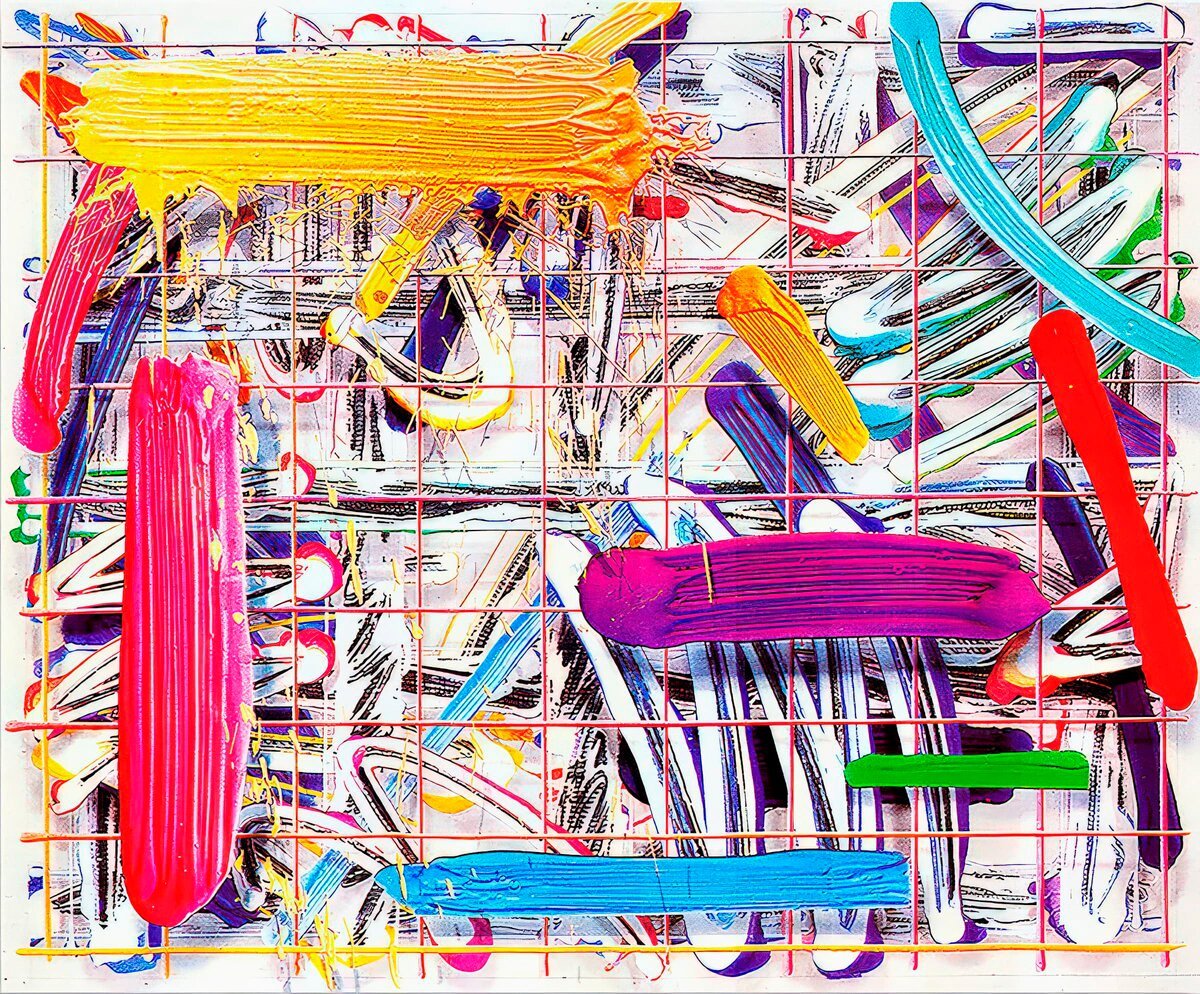
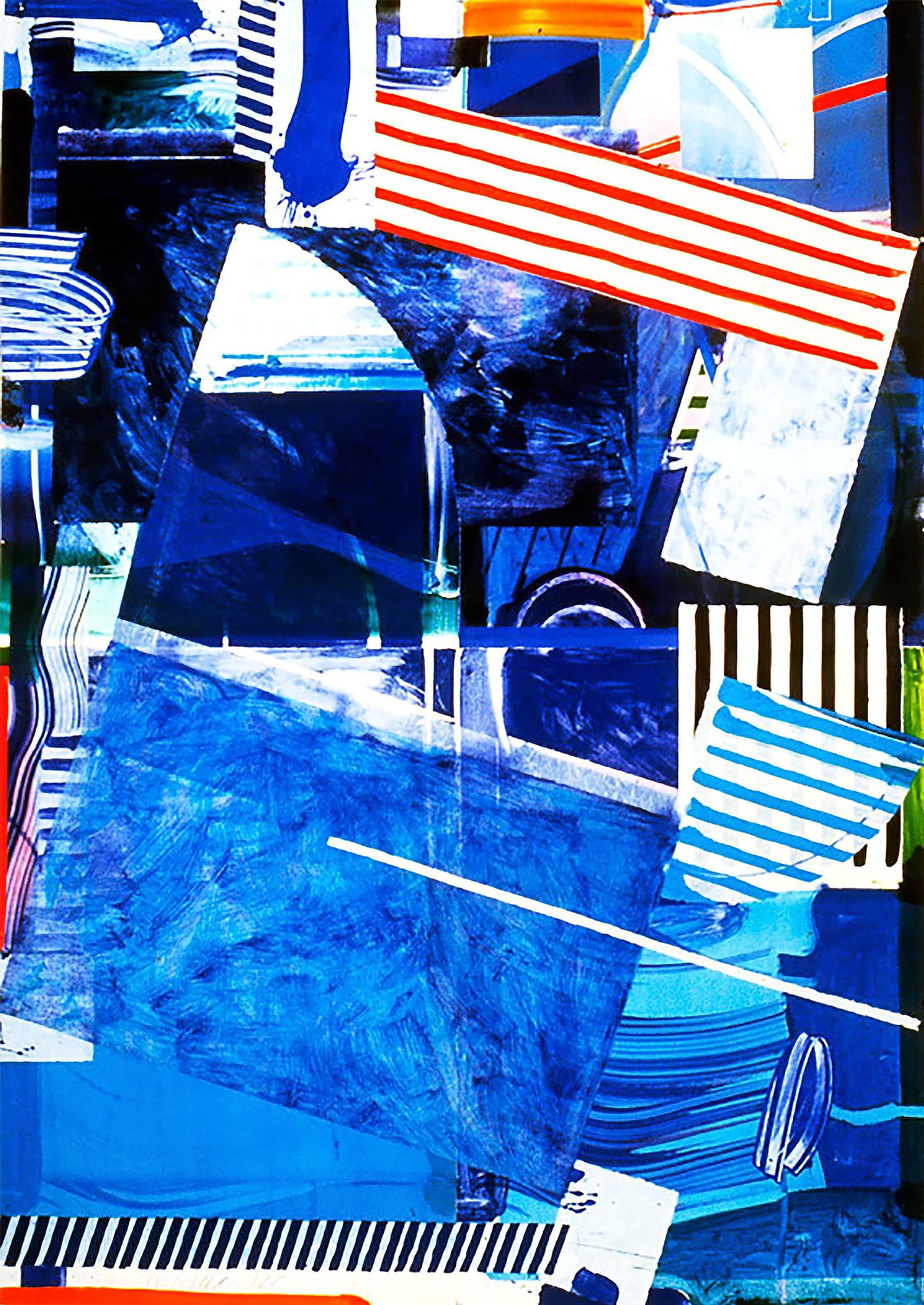
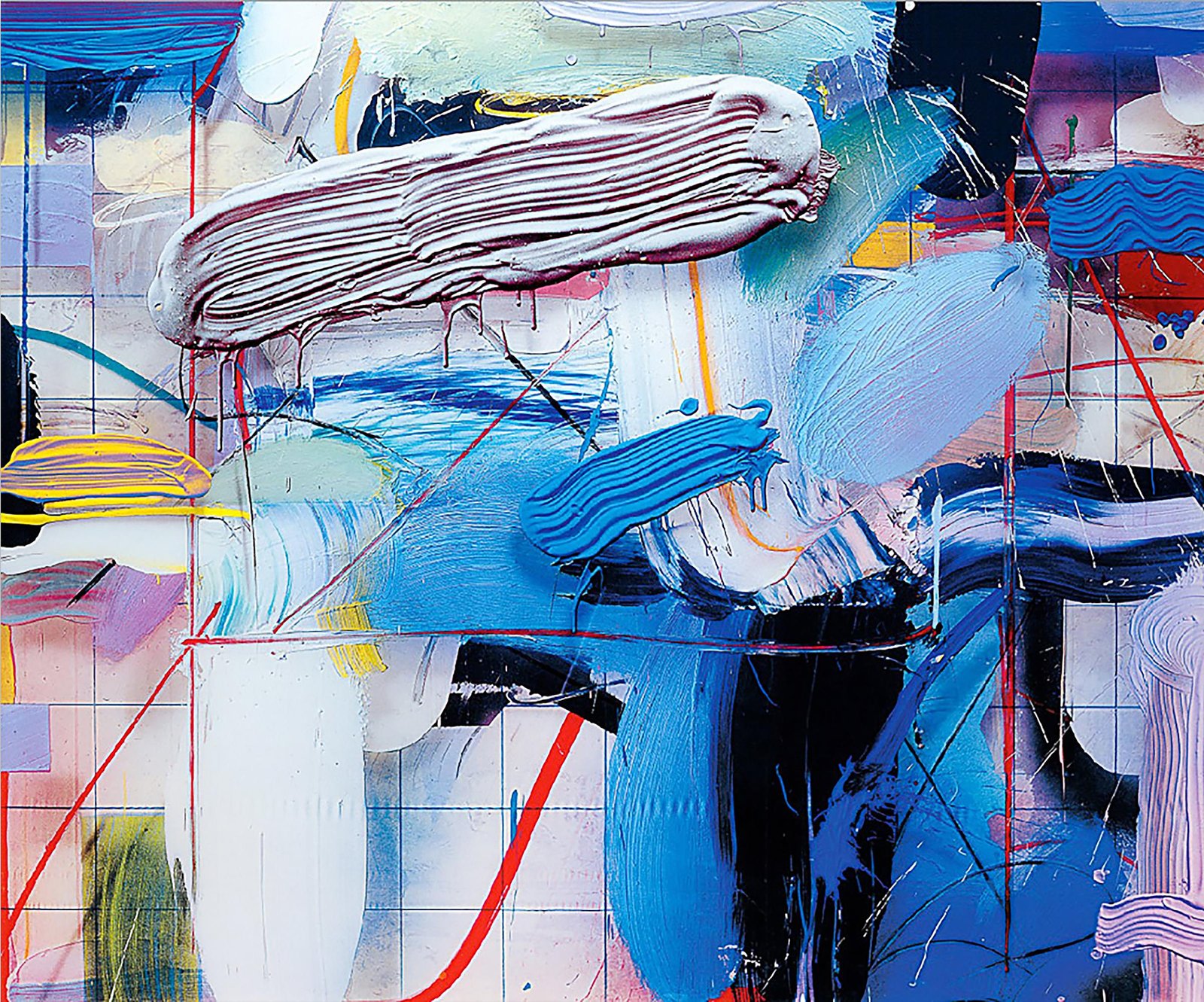
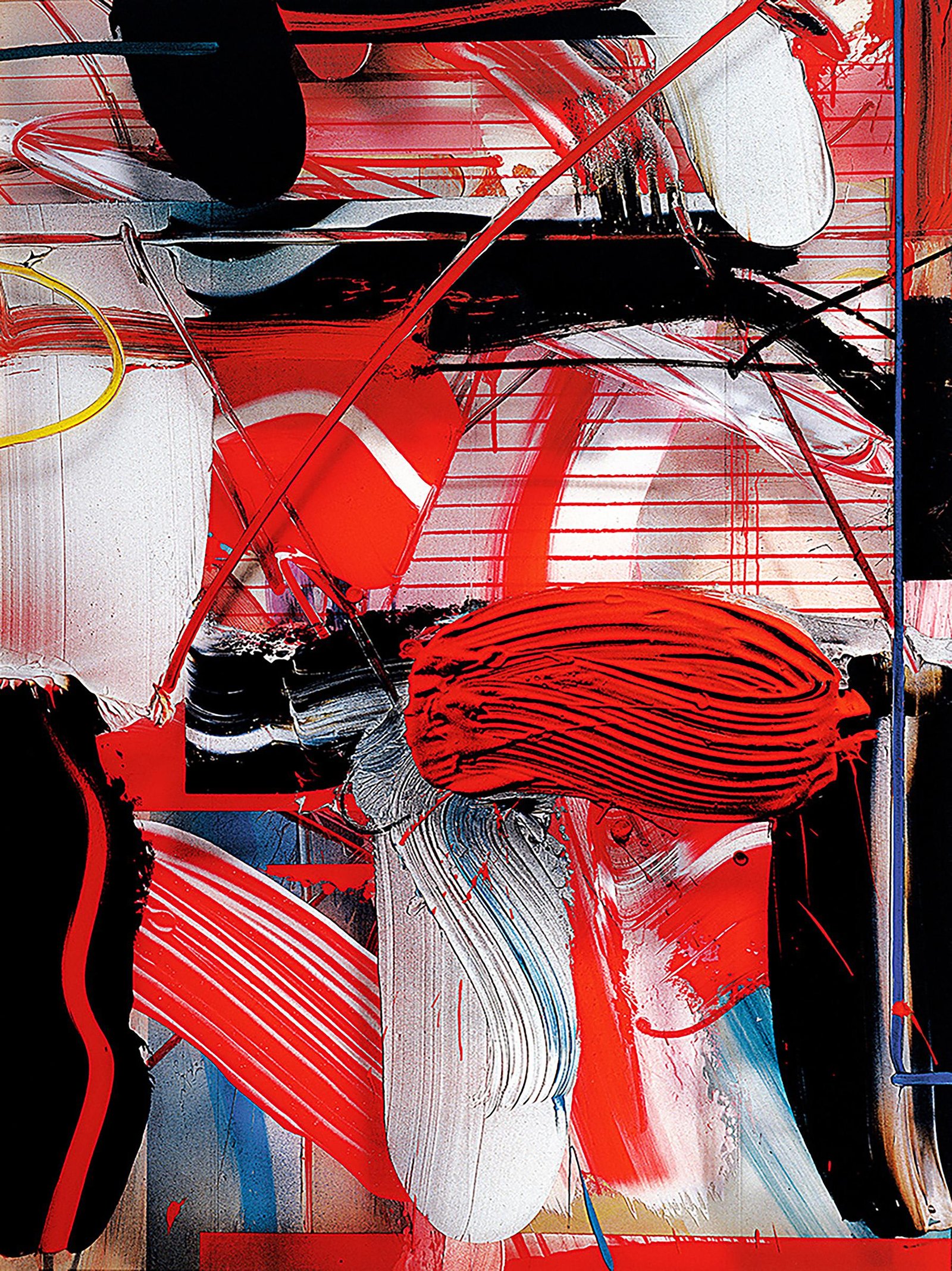
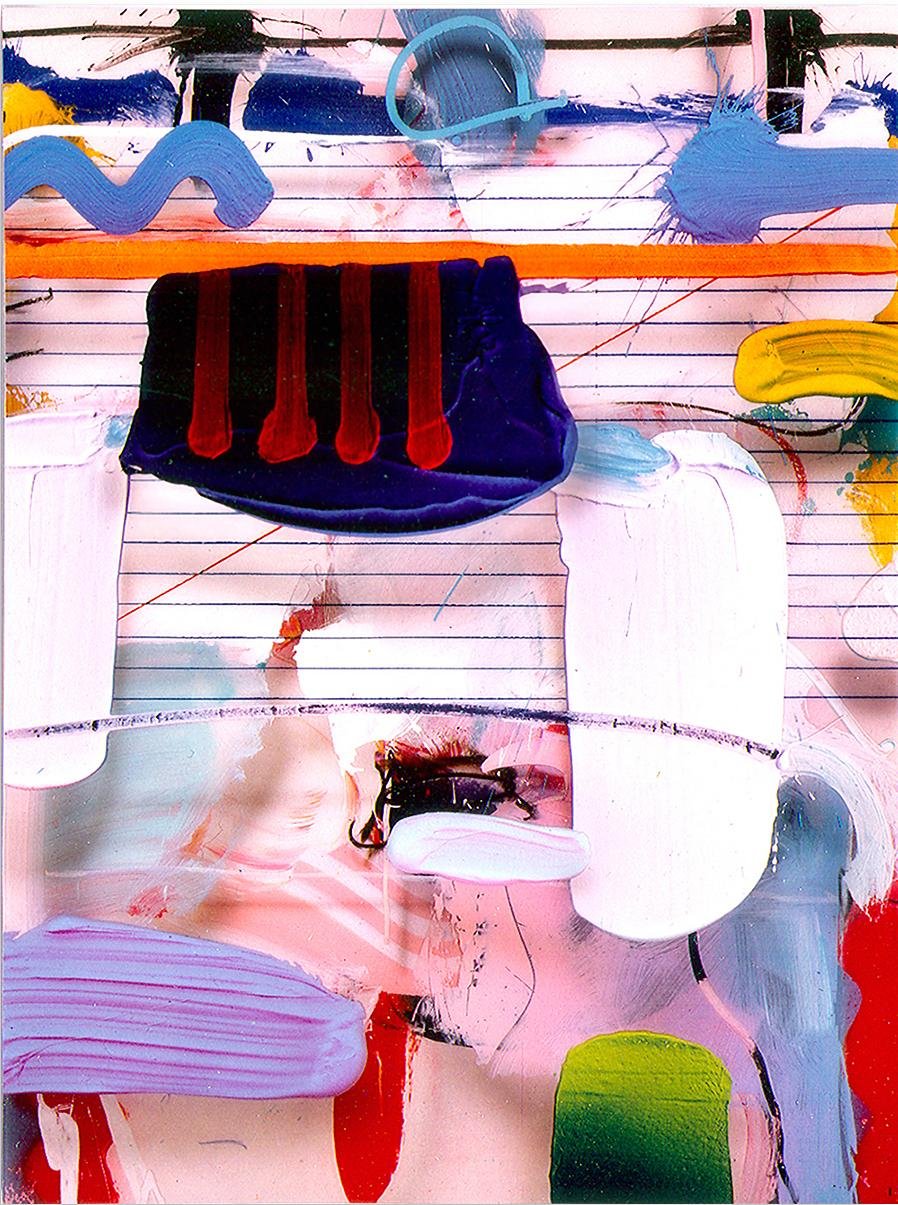
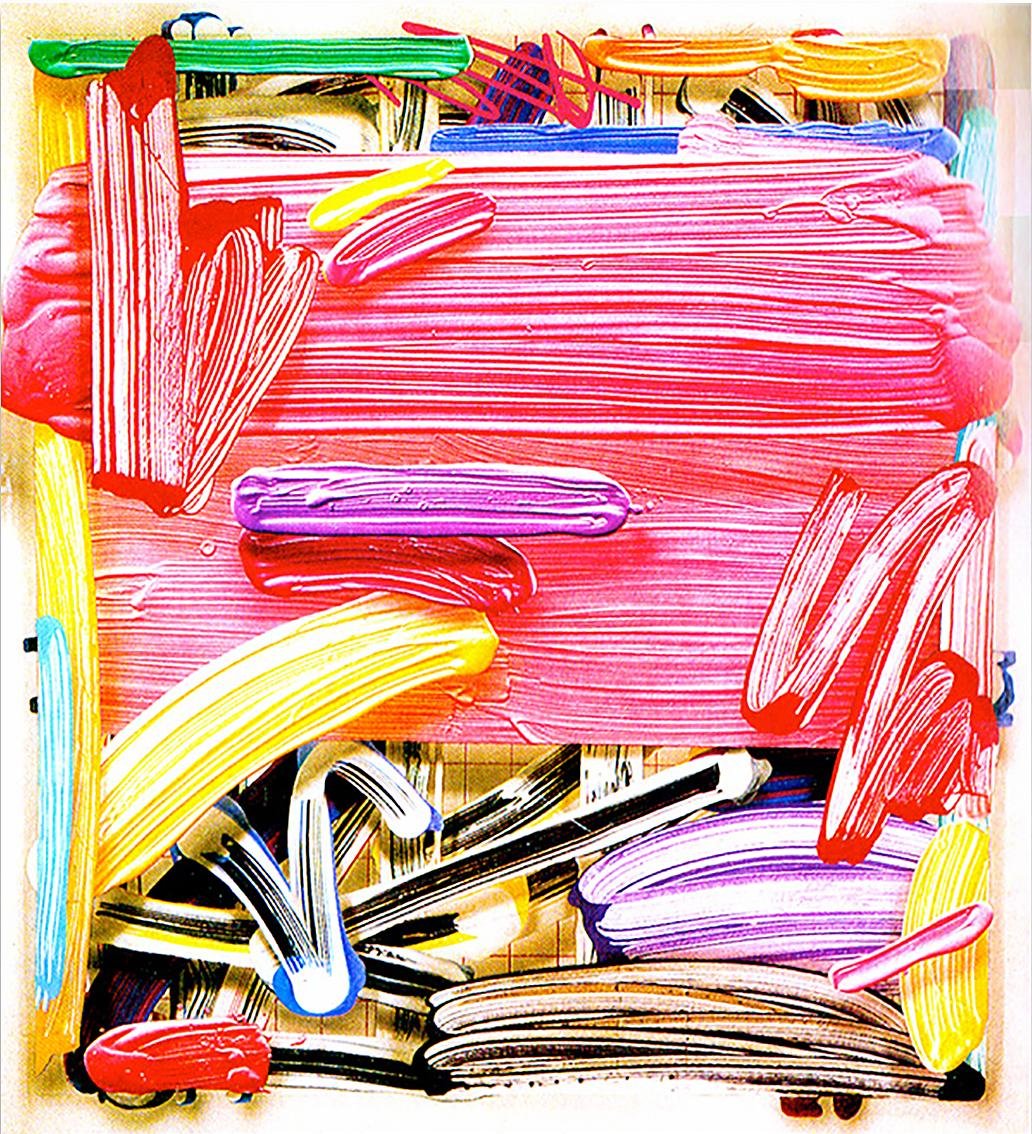
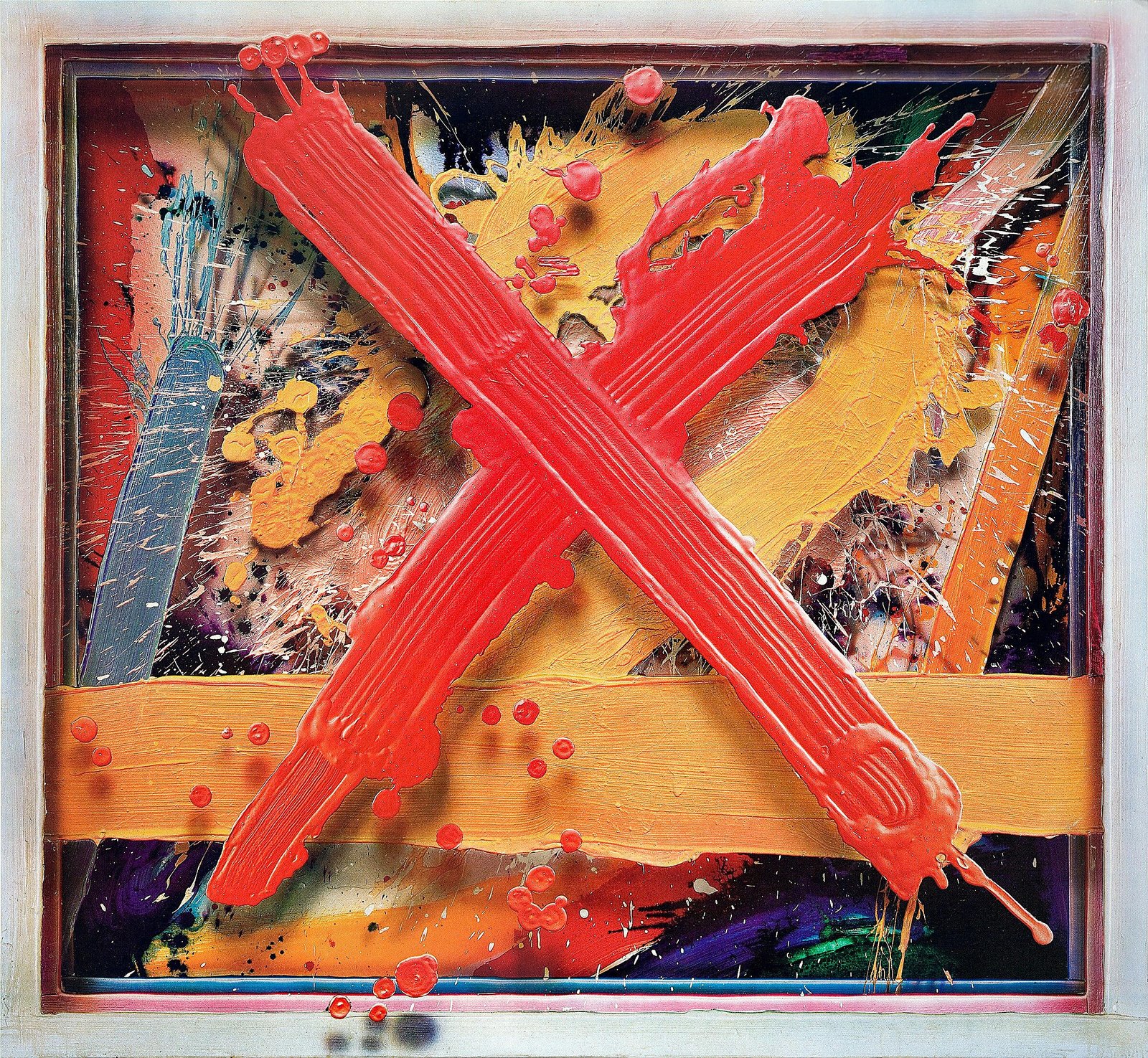
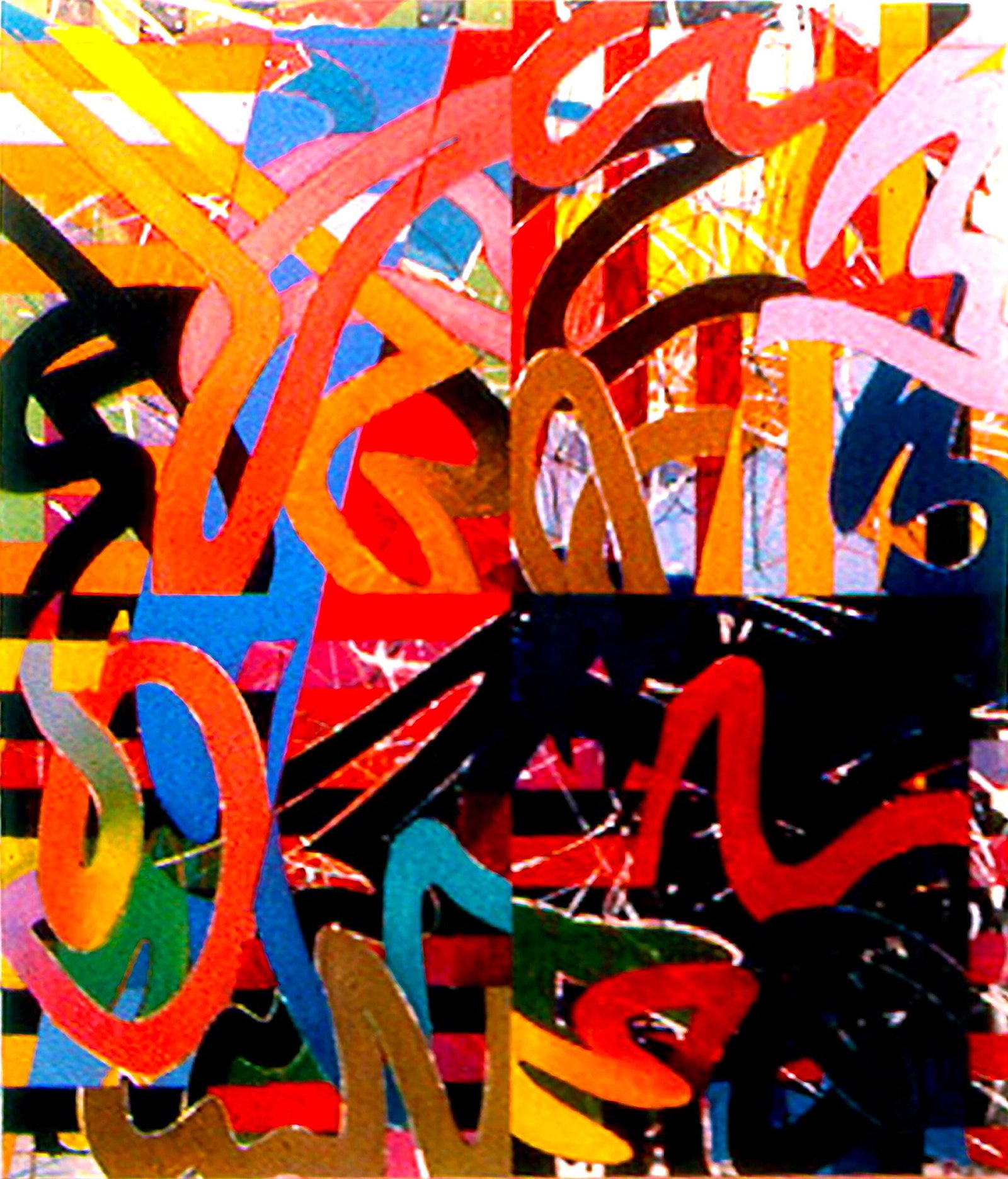
From the critical literature
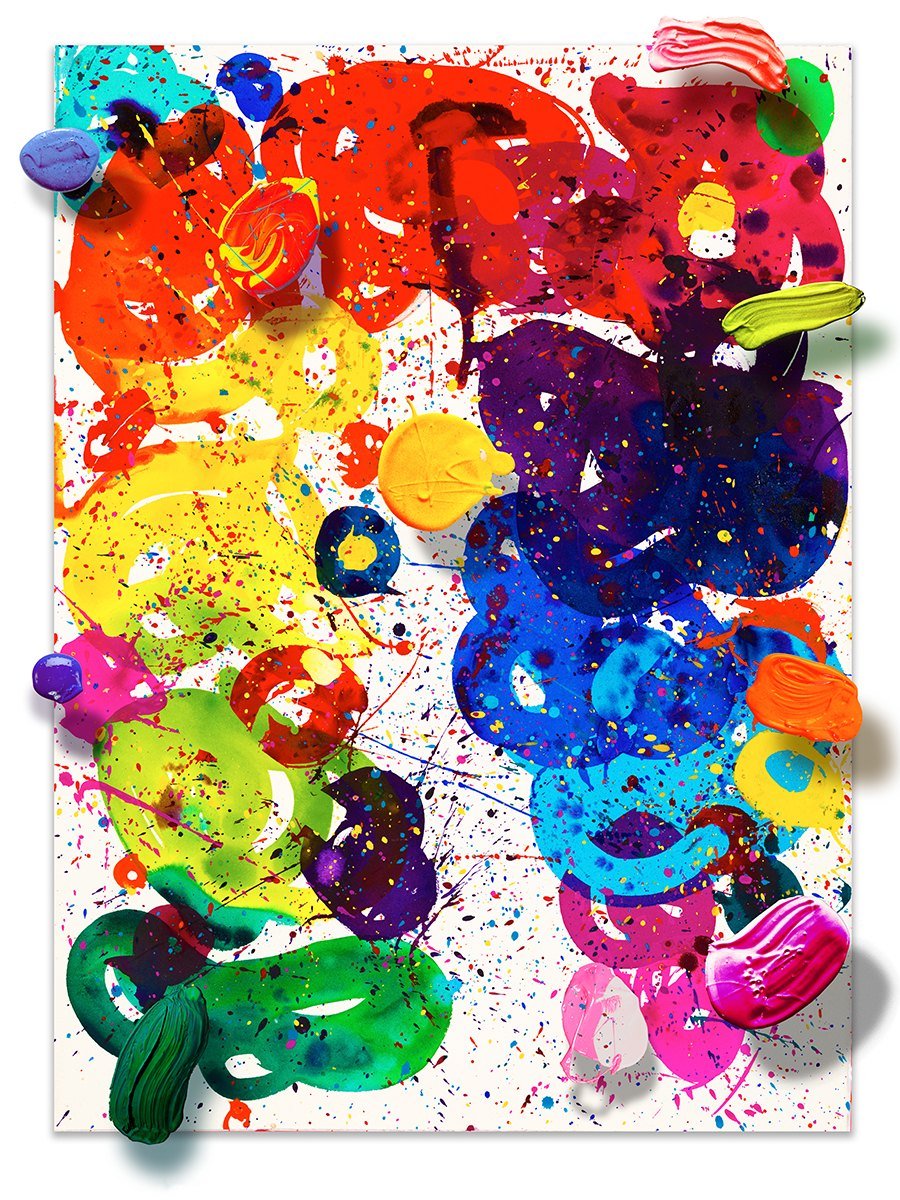
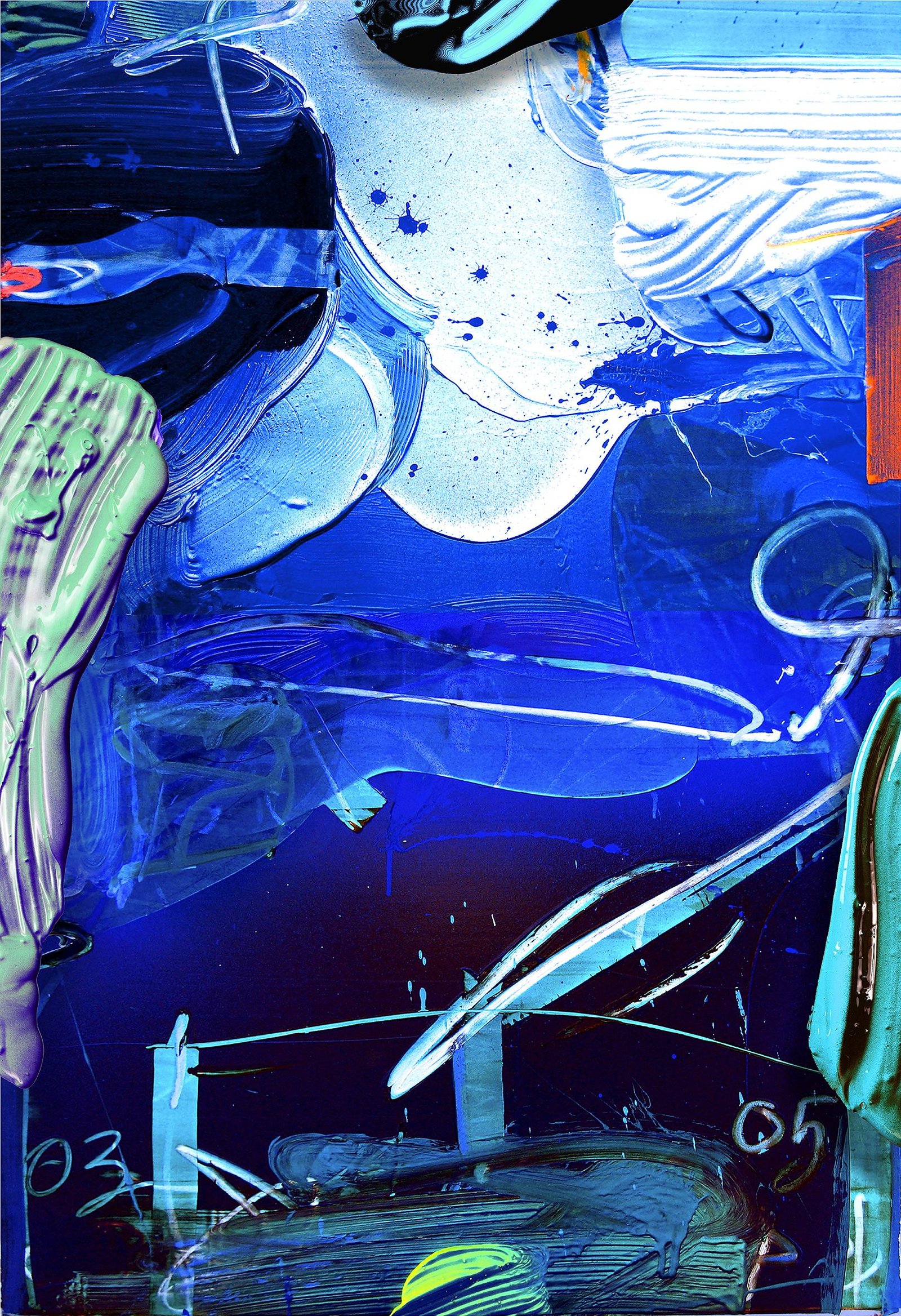
"The formal tension between control and abandon is generated both laterally, across the paintings' surface, and inwardly, from one receding level to the next. The brash, saturated strokes are anchored by deeply rooted grids and framing devices... the brushstrokes, which in abstract painting are so fundamentally bound to the picture plane, hover here unfettered."
Palm Beach Daily News, December 1981
About
Born
Los Angeles, 1945
Education
MFA, Yale University School of Art, 1970
BFA, University of Southern California, 1967
Yale Summer School, Norfolk, 1966
Faculty: Motherwell, Frankenthaler, Walker Evans
Movement
Co-Founder,
Abstract Illusionism
Gallery
Co-Founder, Razor Gallery
464 W. Broadway, SoHo
New York, 1974
My paintings are about space that doesn't exist. A surface that is unambiguously flat — paint on canvas — that insists, visually, on depth. That contradiction is not a trick. It is the subject.
I came to this through Abstract Expressionism, which I studied at USC, at UCLA under David Hockney and Tony Berlant, and at Yale under Jack Tworkov, Josef Albers, and Al Held. What interested me was not just the emotional gesture — the mark as autobiography — but the mark as illusion. What does a brushstroke do to space? Can abstraction lie?
In the early 1970s, a group of us — James Havard, Jack Lembeck, Frank Stella, Ronald Davis, Tony King — were working through versions of this question simultaneously. We named what we were doing Abstract Illusionism, opened Razor Gallery at 464 West Broadway in SoHo, and showed the work. The Guggenheim acquired Pralaya in 1980. The Metropolitan acquired While Under His Very Pillow Rush Herds of Walruses and Whales in 1982. The work found its footing.
I have been at it for fifty years. The specific problems have shifted — the role of color, the relationship between painted gesture and photographic image, the tension between surface and depth — but the central question has not. A painting should do something to the eye that the eye cannot fully explain. That inexplicability is where it lives.
Exhibition history
Solo exhibitions
Selected group exhibitions
Permanent collections
Contact
For studio inquiries, acquisition interest, exhibition proposals, or press requests, please write. I respond personally.